FIFA World Cup 2026: The Ultimate Travel Guide to North America's Biggest Event
By The Trip Window
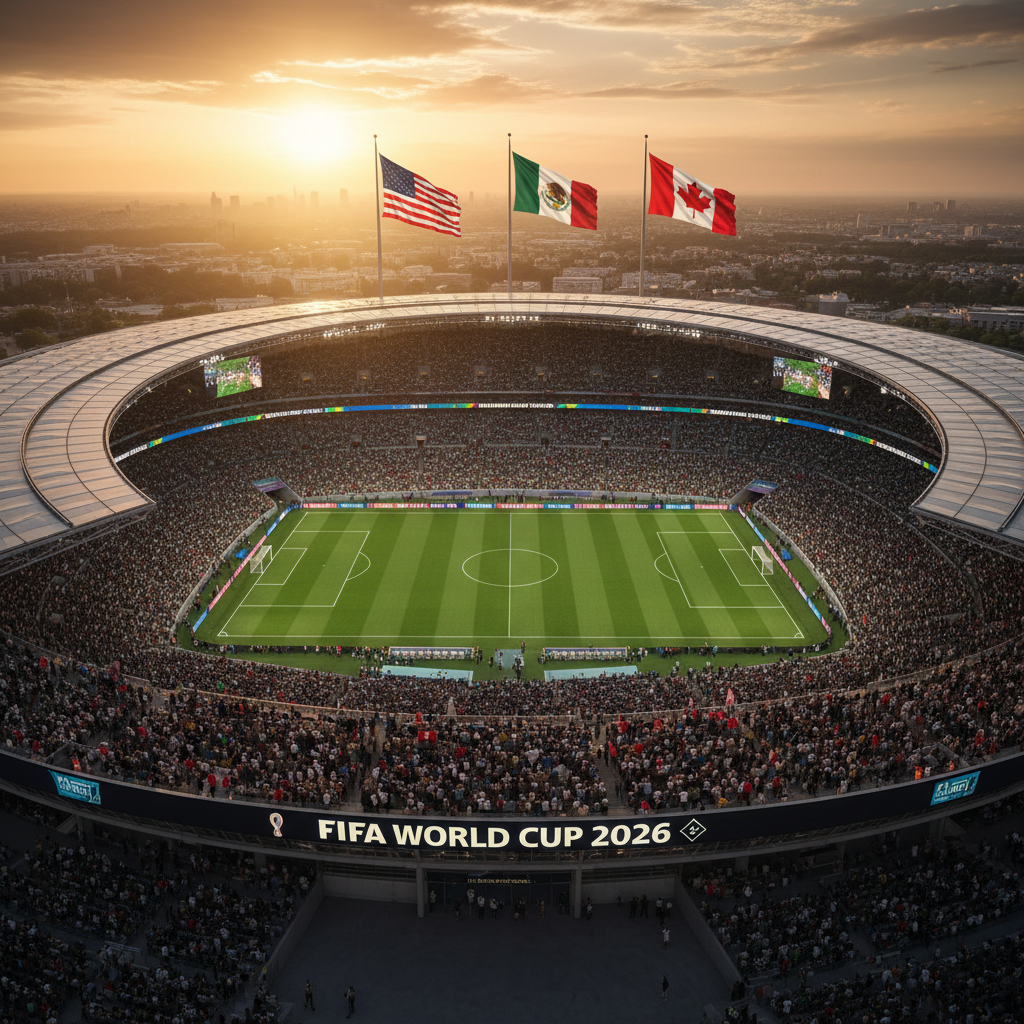
The World Cup Comes to North America
From June 11 to July 19, 2026, the FIFA World Cup returns to North America for the most ambitious edition of the tournament in history. For the first time ever, three nations — the United States, Mexico, and Canada — will co-host the event, spanning 16 cities and 16 stadiums across the continent. With 48 teams and 104 matches on the schedule, this is the largest World Cup ever staged.
Whether you're a die-hard supporter traveling to follow your national team or a bucket-list traveler chasing the world's greatest sporting spectacle, this guide breaks down every host country, every venue, and everything you need to know to plan your trip.
🇺🇸 United States — 11 Host Cities
The USA hosts the lion's share of the tournament, with 11 cities and some of the biggest, most iconic stadiums in the world. The Final on July 19 will be held at MetLife Stadium in New Jersey/New York.
MetLife Stadium — East Rutherford, New Jersey (New York)
Capacity: ~82,500 | Matches: Group Stage, Round of 32, Quarterfinal, FINAL (July 19)
Home of the New York Giants and Jets, MetLife is one of the largest stadiums in the NFL and will host the most prestigious match of the tournament. Located just outside New York City, it's surrounded by world-class hotels, restaurants, and entertainment. If you can only go to one match, go here.
AT&T Stadium — Arlington, Texas (Dallas/Fort Worth)
Capacity: ~80,000 | Matches: Group Stage, Round of 32, Quarterfinal, Semifinal
Jerry World, as it's known to football fans, is a behemoth of a venue with a retractable roof. Dallas is a great base city — excellent BBQ, deep culture, and easy airport access at DFW.
SoFi Stadium — Inglewood, California (Los Angeles)
Capacity: ~70,000 | Matches: Group Stage, Round of 32, Quarterfinal, Semifinal
LA's gleaming new stadium is a marvel of modern architecture. With Hollywood, beaches, and world-class dining nearby, Los Angeles is one of the most exciting host cities in the tournament.
Levi's Stadium — Santa Clara, California (San Francisco Bay Area)
Capacity: ~68,500 | Matches: Group Stage, Round of 32
Home of the 49ers, Levi's Stadium sits in Silicon Valley and offers easy access to San Francisco, wine country, and the Pacific coast.
Arrowhead Stadium — Kansas City, Missouri
Capacity: ~76,000 | Matches: Group Stage, Round of 32
Known for some of the loudest fans in the NFL, Arrowhead will bring that same electric energy to the World Cup. Kansas City's BBQ scene alone is worth the trip.
Empower Field at Mile High — Denver, Colorado
Capacity: ~76,000 | Matches: Group Stage, Round of 32
At over 5,000 feet elevation, players will feel the altitude. Denver is a phenomenal base — close to Rocky Mountain National Park, world-class skiing trails, and a booming food and craft beer scene.
NRG Stadium — Houston, Texas
Capacity: ~72,000 | Matches: Group Stage, Round of 32
Houston's domed stadium means climate-controlled comfort in the Texas summer heat. The city's extraordinary culinary diversity makes it a foodie's dream destination.
Mercedes-Benz Stadium — Atlanta, Georgia
Capacity: ~71,000 | Matches: Group Stage, Round of 32
Atlanta's stunning retractable-roof stadium hosted the 1994 World Cup and the 1996 Olympics. The city's culture, music, and food scene make it a standout host city.
Lincoln Financial Field — Philadelphia, Pennsylvania
Capacity: ~69,000 | Matches: Group Stage, Round of 32
Philadelphia is one of America's most historically rich cities. Between matches, walk the cobblestone streets of Old City, visit Independence Hall, and eat a proper Philly cheesesteak.
Gillette Stadium — Foxborough, Massachusetts (Boston)
Capacity: ~65,000 | Matches: Group Stage, Round of 32
Located 25 miles south of Boston, Gillette Stadium gives you easy access to one of America's great cities — rich in history, seafood, and iconic sports culture.
Lumen Field — Seattle, Washington
Capacity: ~68,000 | Matches: Group Stage, Round of 32
Seattle's stadium sits on Elliott Bay with views of the Puget Sound and the Olympic Mountains. The city's coffee culture, seafood, and proximity to the Pacific Northwest make it an unforgettable destination.
🇲🇽 Mexico — 3 Host Cities
Mexico is hosting the World Cup for a record third time, having previously staged the tournament in 1970 and 1986. The passion for football here is unmatched anywhere on earth.
Estadio Azteca — Mexico City
Capacity: ~87,000 | Matches: Group Stage, Round of 32, including the Opening Match (June 11)
The most iconic football stadium in the world. The Azteca hosted the 1970 and 1986 World Cup finals and has witnessed some of the greatest moments in football history — including Maradona's Hand of God and Goal of the Century. Walking into this stadium is a pilgrimage. Mexico City itself is one of the world's truly great cities: extraordinary food, art, architecture, and nightlife.
Estadio BBVA — Monterrey
Capacity: ~53,500 | Matches: Group Stage, Round of 32
A striking modern stadium nestled against the Sierra Madre mountains. Monterrey is Mexico's industrial powerhouse and offers a vibrant cultural scene alongside stunning natural landscapes.
Estadio Akron — Guadalajara
Capacity: ~49,850 | Matches: Group Stage, Round of 32
Guadalajara is the birthplace of mariachi music and tequila — reason enough to visit. The stadium is home to Club Chivas de Guadalajara, one of Mexico's most beloved football clubs.
🇨🇦 Canada — 2 Host Cities
Canada makes its debut as a men's World Cup host nation in 2026, with two world-class cities stepping up to the global stage.
BC Place — Vancouver, British Columbia
Capacity: ~54,500 | Matches: Group Stage, Round of 32
Vancouver's retractable-roof stadium sits in one of the most beautiful cities in the world. Mountains, ocean, and incredible Pacific Rim cuisine surround you. If you're going to Canada for the World Cup, Vancouver is a must-visit.
BMO Field — Toronto, Ontario
Capacity: ~45,000 (expanded) | Matches: Group Stage, Round of 32
Toronto is Canada's largest and most diverse city. The waterfront, world-class restaurants, and the CN Tower make it an excellent base for exploring Ontario during tournament time.
Key Tournament Dates
- June 11, 2026 — Opening Match at Estadio Azteca, Mexico City
- June 11 – July 2 — Group Stage (12 groups, 48 matches)
- July 4–7 — Round of 32
- July 9–12 — Round of 16
- July 14–15 — Quarterfinals
- July 16–17 — Semifinals
- July 18 — Third Place Match
- July 19, 2026 — FINAL at MetLife Stadium, New Jersey
Travel Tips for World Cup 2026
- Book early. Host city hotels fill up fast. For major knockout matches — especially the Final in New Jersey — accommodation within 50 miles will be gone within hours of ticket sales opening.
- Plan around the group draw. Once groups are announced, you can map out which cities your team plays in and build an itinerary around those matches.
- Consider multiple cities. North America's interstate travel is easy. Many fans will follow their team from city to city by flight or train. Amtrak and budget carriers make city-hopping feasible.
- The FIFA Fan Festivals will be huge. Every host city will have free public viewing areas, live music, and food vendors — a great way to experience the atmosphere even without a match ticket.
- Mexico City at the Opening Match is the experience of a lifetime. If you can only attend one match, the Opening Ceremony at the Azteca on June 11 is the most emotionally charged moment of any World Cup.
The 2026 FIFA World Cup is shaping up to be the most spectacular sporting event ever hosted on North American soil. Start planning now — the best experiences go to those who prepare early.