Everything You Need to Know About Camping in National Parks
By Krista Diamond
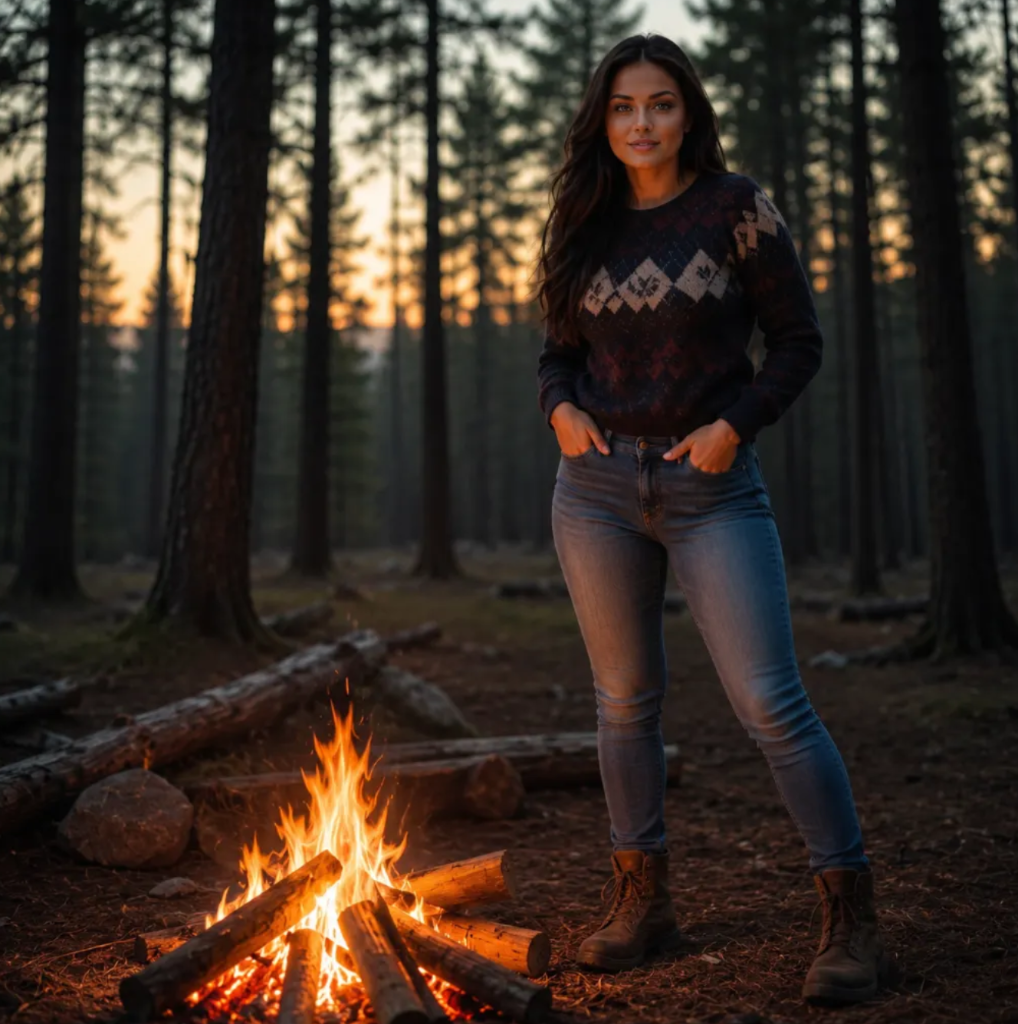
So here's the thing about national park camping — it is genuinely one of the most incredible travel experiences this country has to offer. And I want to make sure you go in totally prepared, because there are a few things that can make or break the whole trip.
Whether you're planning your very first national park adventure or you've done it before and want to level up your experience, I've got you covered. We're talking reservations, gear, safety, which parks are absolutely worth it — all of it. Let's go!
Why You Need to Stay Inside the Park
Here's a travel tip I give everyone: if you're going to visit a national park, stay inside it. I know it's tempting to book a hotel nearby and just drive in for the day, but trust me — you are missing the whole thing.
The magic of national parks doesn't happen in the middle of the day when everyone's there. It happens at sunrise when the light hits the canyon walls and nobody else is around yet. It happens at 10 PM when the stars are so thick you actually can't believe it. It happens when you step outside your tent at 6 AM and a deer is just casually walking through your campsite.
You only get those moments if you stay. So if you can swing a campsite reservation — and I'm going to help you do exactly that — please, please book it.
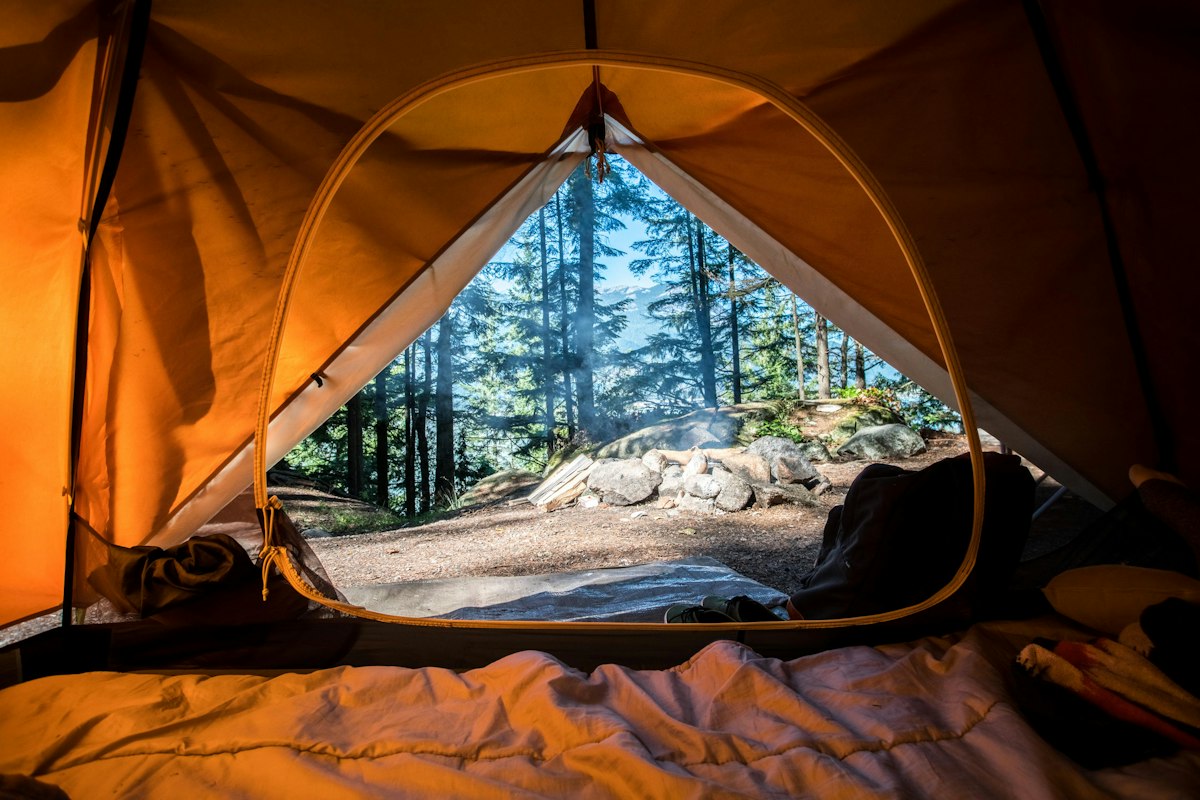
I always say the best version of any national park is the one most people never see — because they left before dark. Book the campsite. Wake up early. Stay late. That's when it gets really good.
The Reservation Situation in 2026
Alright, I need to be real with you about this because it catches so many people off guard. Booking a national park campsite in 2026 is competitive. Like, really competitive. We're talking popular sites at Yosemite, Zion, and Glacier selling out within seconds of becoming available. I'm not exaggerating — seconds.
Almost everything goes through Recreation.gov, and most campgrounds operate on a rolling six-month booking window. So if you want to camp on July 15th, those sites opened for booking on January 15th. At exactly 10 AM Eastern time. Gone fast.
How to Actually Get a Reservation
- Set a calendar reminder for exactly six months before your target date — that's when most sites open.
- Log on at 10 AM Eastern on the dot. Use a computer, not your phone — the mobile site is slower.
- Have your payment info saved and ready to paste. Every second counts.
- Do not obsessively refresh — it can kick you out of the queue. Be patient.
- If you miss the initial opening, check back regularly. Cancellations happen more than you'd think.
- Have a backup plan — BLM land and National Forest campgrounds right outside many parks are often gorgeous and way easier to book.
2026 update: Some great news this year — Arches, Glacier, Mount Rainier, and Yosemite have all dropped their timed-entry reservation systems for general park access. But note that Angels Landing at Zion and Half Dome at Yosemite still require separate permit lotteries for those specific hikes. Always check the individual park's page on nps.gov before your trip.
One more thing on passes — the America the Beautiful Annual Pass is $80 and covers entrance fees at every single NPS site for a full year. If you're visiting more than two or three parks, it pays for itself immediately. Grab it digitally through Recreation.gov. It does not cover campground fees, but for entrance? Total no-brainer.
Types of Camping — Which One Is Right for You?
Front-Country (Drive-In) Camping
This is what most people picture — you drive to a numbered site, set up your tent or pop-top, and you've got a fire ring, picnic table, and a bathroom somewhere nearby. Front-country camping is perfect for beginners, families, or anyone who just wants to experience the park without technical gear requirements. This is where I'd recommend starting if it's your first time.
Backcountry Camping
This is where it gets serious — and seriously amazing. You carry everything in on your back, there are no facilities, and you need a permit. The reward is total solitude and the kind of quiet that simply doesn't exist anywhere else. If you want to try backcountry camping, do your research and don't underestimate the gear requirements. Your tent, pack, water filtration, and navigation tools genuinely matter out there.
First-Come, First-Served Sites
Some parks still hold a percentage of sites for walk-in camping, especially in shoulder season. Arriving early — think 7 to 9 AM when overnight guests are checking out — is your best strategy. Capitol Reef and Canyonlands in Utah are two parks where this approach works really well.
The Gear That's Actually Worth It
I am not going to tell you to buy a bunch of stuff you don't need. What I am going to do is tell you what genuinely makes your trip better — the items that earn their place every single time.
Your Tent
This is the one place I always tell people not to cheap out. A bad tent in wind or rain is a miserable experience — and it's not like you can just go home. For backpacking trips, you want something lightweight with a proper rainfly. For car camping, you can go bigger and roomier since weight doesn't matter. My go-to recommendation is a quality freestanding 2-person backpacking tent — something under 3 lbs with a taped fly and good vestibule space. The NEMO Hornet OSMO and Big Agnes Copper Spur are both excellent. A good tent is something you'll use for ten-plus years, so it's genuinely worth the investment.
Your Backpack
If you're doing any kind of traveling — fly-in camping, road-tripping between parks, or just keeping things mobile — you need a bag that does it all. The Osprey Farpoint 40L is my absolute favorite for exactly this. It carries on every major airline, converts to a daypack, and has back panel access so you're not unpacking everything just to find your rain jacket. The women's version, the Fairview 40L, fits even better if that's relevant for you. To keep everything organized, I pack compression packing cubes — game changer. Everything has its place and you're never digging around in the dark for your headlamp.
Water Filtration
This one is non-negotiable, especially if you're heading anywhere in the desert Southwest. Water sources in Death Valley, Canyonlands, and the Grand Canyon backcountry are unreliable at best and nonexistent at worst. Even in wetter parks, you should never drink from a backcountry stream without filtering it first. The LifeStraw Peak Series filter water bottle is what I bring every time — fill it from any water source and drink straight through the filter. Simple, reliable, and lighter than carrying a separate system.
In desert parks, always know where your next water source is before you leave camp. Carry more than you think you need. A filtration bottle is not optional gear in these environments — it's essential.
Your Headlamp
Everyone thinks they don't need a headlamp — until they absolutely, desperately need one. Your phone flashlight is not going to cut it on a trail at night, and it's going to drain your battery when you need it most. The Black Diamond Spot 400 is what I carry. Four hundred lumens, red light mode for the campsite, water resistant, and it runs on standard AAA batteries you can grab at any gas station. Night hiking is honestly one of the most underrated national park experiences — Bryce Canyon's hoodoos under a full moon are something else entirely — and none of it happens without a headlamp you actually trust.
Camp Lighting
Your headlamp handles personal light. For cooking dinner, reading, and hanging out at the campsite, you want a lantern. The BioLite BaseLantern XL is my pick — rechargeable via USB, so one power bank handles both your phone and your lantern. Five hundred lumens, fully dimmable, and it looks great too.
A Camp Chair You'll Actually Carry
I know this might seem like a luxury, but hear me out — spending three nights sitting on a log versus having a proper camp chair is a genuinely significant quality-of-life difference. The Helinox Chair One packs down to the size of a water bottle, weighs just over two pounds, and is honestly the best camp chair ever made. For car camping where weight is irrelevant, a basic Coleman quad chair does the job perfectly. But if you're hiking even a short distance to your site, the Helinox is 100% worth it.
Sun Protection
The UV index in the desert Southwest in summer regularly hits 11 or 12 — that's the maximum. You want SPF 50 sunscreen, a wide-brim hat, UV-protective clothing, and quality sunglasses with UV400 lenses. Apply sunscreen every two hours, not just in the morning. This is not optional advice. Sunburn at altitude in dry air is significantly worse than sunburn at the beach, and it will ruin your trip.
For face and neck, I use EltaMD UV Sport SPF 50. It's what dermatologists recommend, it doesn't sting when you sweat, and it holds up through real outdoor activity. For arms and legs, Neutrogena Ultra Sheer SPF 70 is my budget-friendly workhorse for covering bigger areas. Reapply every 90 minutes when you're out on a trail — no exceptions!
Safety Gear That Could Literally Save Your Life
I want to talk about two things that most people don't think about until they really, really need them.
Satellite Communicator
If you're doing any solo hiking or heading into remote parts of a park, please — please — get a satellite communicator. Cell service disappears fast in backcountry terrain, and a lot of the most beautiful parts of our national parks have zero coverage.
The Garmin inReach Mini 2 is what I carry. It's the size of a deck of cards, weighs almost nothing, and lets you send and receive two-way messages from anywhere on the planet via satellite — no cell service needed. It also has an SOS button that connects directly to a 24/7 emergency response center that will dispatch rescue to your exact GPS coordinates. It needs a monthly subscription plan, but you can pause it between trips. This device is worth every penny for the peace of mind alone — yours and everyone back home who loves you.
For solo hikers in remote parks, the Garmin inReach Mini 2 is genuinely non-negotiable. Two-way satellite communication and a hardwired SOS button are the difference between a scary situation and a catastrophic one.
First Aid Kit
Every camping trip needs one. The Adventure Medical Kits Mountain Series is well-organized, genuinely comprehensive, and built specifically for backcountry use — meaning it includes blister treatment, wound closure strips, moleskin, and an emergency reference guide. Not just a box of Band-Aids. Open yours before your trip, check what's in it, and replace anything expired. Better yet, take a basic Wilderness First Aid course — it's one of the most useful things you can do as an outdoor traveler.
The Parks Worth Putting on Your List
Not every national park is the same experience — and honestly, some are way more camping-friendly than others. Here are the ones I think belong at the top of any camping-focused bucket list.
Glacier National Park, Montana
This is my top recommendation for anyone who's never experienced a truly dramatic mountain landscape. Going-to-the-Sun Road is one of the most breathtaking drives in the world. The hiking is incredible. The wildlife — mountain goats, grizzlies, moose — is unreal. And because it's in Montana rather than an easy drive from a major metro area, it feels less crowded than Yosemite or Zion even during peak season. Book your campsite early, because this one fills fast.
Zion National Park, Utah
Zion is justifiably famous and it absolutely lives up to the hype — but you need to time it right. Spring and fall are the sweet spots. Summer is brutally hot, and the canyon floods regularly in late summer monsoon season, which closes the Narrows entirely. The campgrounds inside the park are great; the shuttle system means you don't need your car once you're there. Just plan well and don't skip the Narrows if water levels allow it.
Great Smoky Mountains, Tennessee & North Carolina
The most visited national park in America, and for good reason — it's gorgeous, it's accessible, and unlike every other national park, it has no entrance fee. The camping ranges from developed front-country sites to serious backcountry. The wildlife is abundant. The wildflower season in spring is extraordinary. This is the best starting point if you've never done national park camping before.
Joshua Tree National Park, California
Joshua Tree is best visited in spring (March through April) or fall, when temperatures are manageable. The stargazing here is among the best in the continental US — it's a designated Dark Sky Park, and on a clear night, the Milky Way is visible with the naked eye. The campgrounds are spread throughout the park; Jumbo Rocks is my personal favorite for the boulder formations. Note that water is not available anywhere inside the park, so bring everything you need.
Final Thoughts
National park camping is one of those travel experiences that genuinely changes people. There's something about waking up inside a place that's been protected specifically because it's extraordinary — no development, no noise, no distraction — that puts everything in perspective.
The logistics can be intimidating at first, but once you've done it once, it becomes second nature. Book early, pack smart, respect the land, and stay longer than you think you need to. The best part of any national park is always the part you almost missed.
Happy camping. See you out there.